
Te Kaupapa
Te Kura Kaupapa Māori o Ōtepoti is a thriving kura and the only full immersion Māori kura in Otago. We are a strong whānau, who believe our student’s wellbeing is paramount. We do our best to provide a nurturing environment underpinned by Te Aho Matua.
Our strategic plan contains the vision and expectations for Kaupapa Māori learning. The focus is on Te Aho Matua values and principles, weaving them into every aspect of our teaching and learning.
As a whānau and community we believe our kura is the best environment to nuture and grow our children into thriving leaders.Matamata
Extract from “A Thematic Māori Heritage Study For Dunedin”, prepared by KTKO Ltd Consultancy with Tahu Pōtiki
Matamata
This is a very localised tradition and it relates to a guardian taniwha known as Matamata. Matamata himself appears in many traditions in the South Island from as far north as Marlborough to the Hokonui Hills. He is an ancestor of the Kāti Māmoe tribe and the local chief Karetai was his descendant. Below is an account recorded by the Rev. Thomas Pybus:
Regarding their legends, the Māori people of Ōtākou used to speak about taniwha and fabulous monsters which performed extraordinary deeds. Hoani Karetai, the paramount chief of Ōtākou, used to speak about a taniwha which was the guardian of the spirit of a famous Kāti Māmoe chief. This taniwha lost its master and set out in search of him. From Silverstream near the base of Whare Flat, it journeyed as far as the present Mosgiel. Then it took its course down the Taieri River and wriggling, caused all the sharp bends and twists in the river. The same taniwha scooped out the Otago Harbour. The monster now lies solidified in the Saddle Hill. The humps of the hill are named Pukemakamaka and Turimakamaka.[1]
Kaikarae/Kaikorai Estuary
Kaikorai was occupied in the archaic phase of New Zealand pre-history. Burnt moa bones, adzes, blades, small stone statues, fish hooks, obsidian and nephrite flakes have been recovered from this area. Much of this excavated material is now housed in the Otago Museum. Settlement was centred around sand-dunes on the north side of the Kaikorai stream. Māori in the area lived off shellfish and moa. This area was not occupied at the time of European arrival.
TE WHAKAPAPA
*
TE WHAKAPAPA *
The significance of Kaikarae as a place of mahika kai is referred to above in the Waitaha Rākaihautu traditions. Since that time the area was the site of seasonal and semi-permanent camps. Kāi Tahu utilised the Kaikarae area to supplement their seasonal food supplies, the mouth of the estuary being the favoured camping site. The mahika kai resources included eels, waterfowl, birds and kaimoana.
From the Kā Huru Manu Ngāi Tahu Atlas: www.kahurumanu.co.nz
Kaikarae/Kaikorai Estuary
Kaikarae, now mistakenly known as Kaikorai, was a well-known freshwater stream and lagoon used by local Kāi Tahu as a traditional mahinga kai, particularly for tuna (eel) and pātiki (flounder). Kaikarae was dug by the Waitaha explorer Rākaihautū with his kō (Polynesian digging stick) named Tūwhakaroria. Upon arriving at Whakatū (Nelson) in the Uruao waka, Rākaihautū divided his people into two groups. His son, Rakihouia, took one party to explore the coastline, and Rākaihautū led the other party through the interior of Te Waipounamu and down to Murihiku (Southland), using his kō to dig out most of the fresh-water lakes of Te Waipounamu. While travelling back up the island, Rākaihautū and his party stopped at the mouth of a stream to eat, and their food was a recently-killed seabird known as karae. This particular location and stream was named Kaikarae.[2]
Pakaru
Pakaru is the traditional Māori name for the Kaikorai Lagoon, near the mouth of Kaikarae (the Kaikorai Stream). Along with Kaikarae, Pakaru was an important kāinga mahinga kai (food-gathering place) for local Kāi Tahu. During the 1879 Smith-Nairn Royal Commission of Inquiry into the Ngāi Tahu land claims, local Ngāi Tahu kaumātua recorded Pakaru as a kāinga mahinga kai where tuna (eel) and pātiki (flounder) were gathered.
NGĀ KŌRERO NEHE
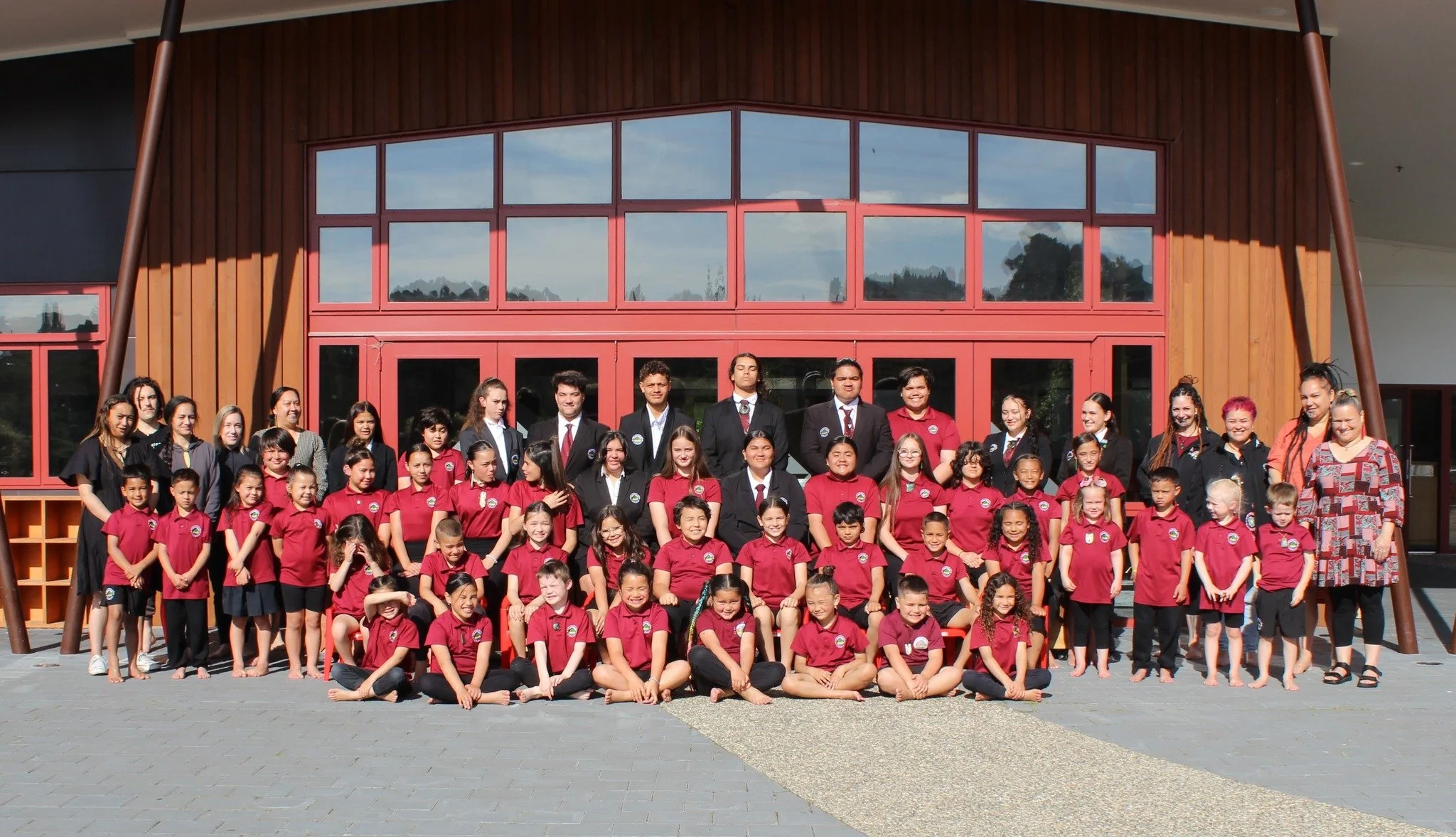
Te Kura Kaupapa Māori o Ōtepoti (TKKM) was established in 1994 occupying a number of sites across the city before agreement was reached between whānau and the Ministry of Education to move permanently to the current site at 378 Main South Road, Fairfield, Dunedin in 1999. The original buildings were a combination of the inherited Fairfield Town and Country Club and the classroom block from the closed school in Oturehua.
Initially the kura operated as a satellite school under the guidance and support of Te Wharekura o Arowhenua in Invercargill, until it was awarded Special Character status in 1998. As the only Te Aho Matua Kura Kaupapa in the Otago region, it has faced challenges. Even so the demand for full immersion learning has continued. TKKMoŌ is a bastion for Te Aho Matua educating and nurturing our young Māori as Māori.
Almost 30 years on TKKMoŌ is recognised as the preferred option by our whānau and many stakeholders within the community for implementing te reo Māori, tikanga and whakapapa to the tāmariki of Ōtepoti and surrounding areas. The Kura currently offers full primary (years 1-6) education provision. In 2021 the original Fairfield Town and Country Club was removed and a new kura was built in its place with; two new akomanga, a tari, wharenui, wharekai, ablution facilities and staffroom.
At the same time three Year 9 students began satellite enrolments through Te Wharekura o Arowhenua. This was part of the strategic vision to grow the kura to include programmes for students from year 9 - 13. In 2022 TKKMoŌ gained Wharekura status from the Ministry Education. The next step is to build a te ao Māori facility to accommodate the growing needs of the ākonga and kaimahi.
The kura has a current roll of 35 children (years 1-6) and 15 children (years 9 - 13), all of whom are Māori.
Meet the Team
-

Monet Goode
FOUNDER
-
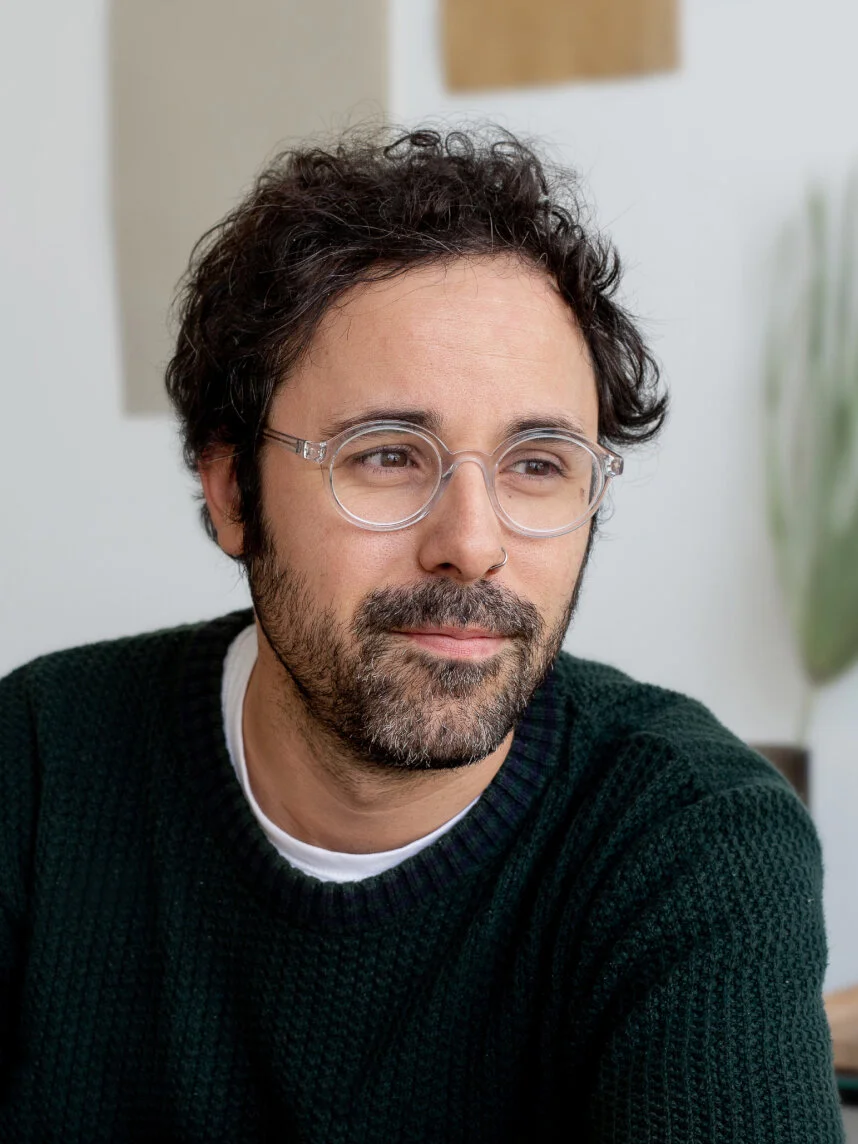
Emmett Marsh
DESIGN DIRECTOR
-

Eleanor Parks
SUSTAINABILITY DIRECTOR
-

Jamie Kokot
CUSTOMER SERVICE MANAGER
Meet the Team
-
Monet Goode
FOUNDER
-
Emmett Marsh
DESIGN DIRECTOR
-
Eleanor Parks
SUSTAINABILITY DIRECTOR
-
Jamie Kokot
CUSTOMER SERVICE MANAGER